

A video shows someone saying words they never spoke. A voice message sounds like a family member in distress. A photograph circulates as proof of an event that never happened. None of these scenarios requires science-fiction technology anymore. As image, audio, and video generation become easier to use, digital identity is entering an uncomfortable new phase: the face and voice we recognize may no longer establish who is actually behind a message. The real crisis is not that every recording is fake. It is that a recording by itself is becoming weaker evidence.
The Moment a Voice Became Evidence—and Then Didn’t
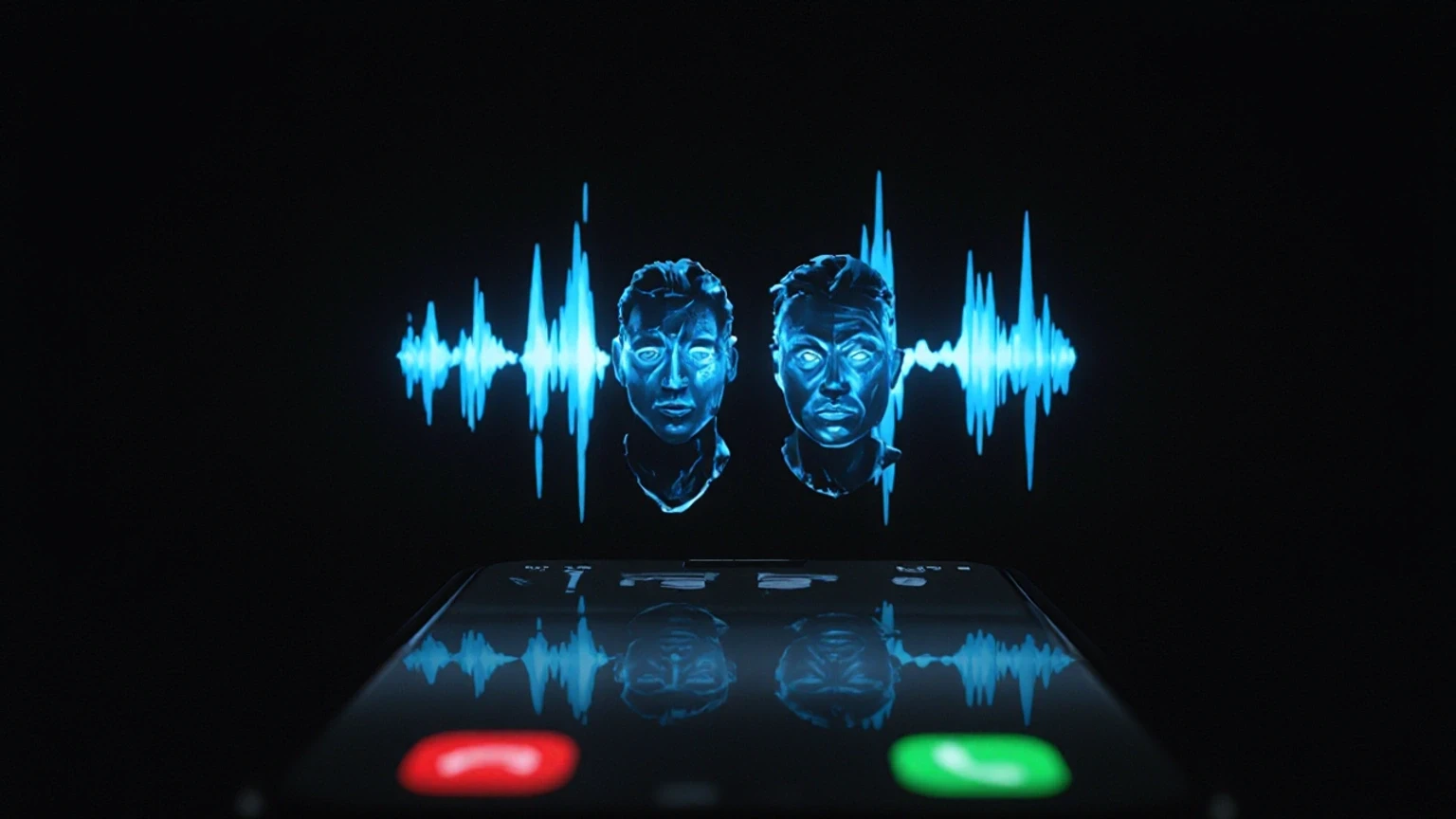
Imagine receiving a call from someone you love. The voice is familiar. The timing is urgent. They say they are in trouble and need money immediately. For much of our lives, recognizing a voice was one of the shortcuts we used to decide whether a person was real. It was never perfect, but it felt personal.
That shortcut is weakening. The U.S. Federal Trade Commission warns that scammers can use short audio samples, including clips found online, to imitate relatives during fake emergencies. A familiar voice can now be evidence of a convincing imitation rather than evidence of identity.
The dangerous ingredient is not only the technology. It is the pressure: hurry, keep quiet, do not double-check. When a synthetic voice meets a carefully chosen moment of panic, the scammer is attacking trust as much as a bank account.
Impersonation Is No Longer Just a Celebrity Problem
Public figures have always faced impersonation. What changes with readily available generative tools is the potential to reproduce expressive details—accent, cadence, facial motion, and apparent context—at a speed and scale that older editing workflows could not easily match.
The FBI warned in May 2025, and again that December, that malicious actors had used AI-generated voice messages while impersonating senior U.S. officials. The goal was not simply to spread a fake clip for attention. According to the bureau, the campaign sought to build trust and gain access to accounts and contacts.
The lesson applies beyond government. A coworker, an executive, a relative, or a small-business owner may be targeted. A believable identity can become the wrapper around a fraudulent instruction.
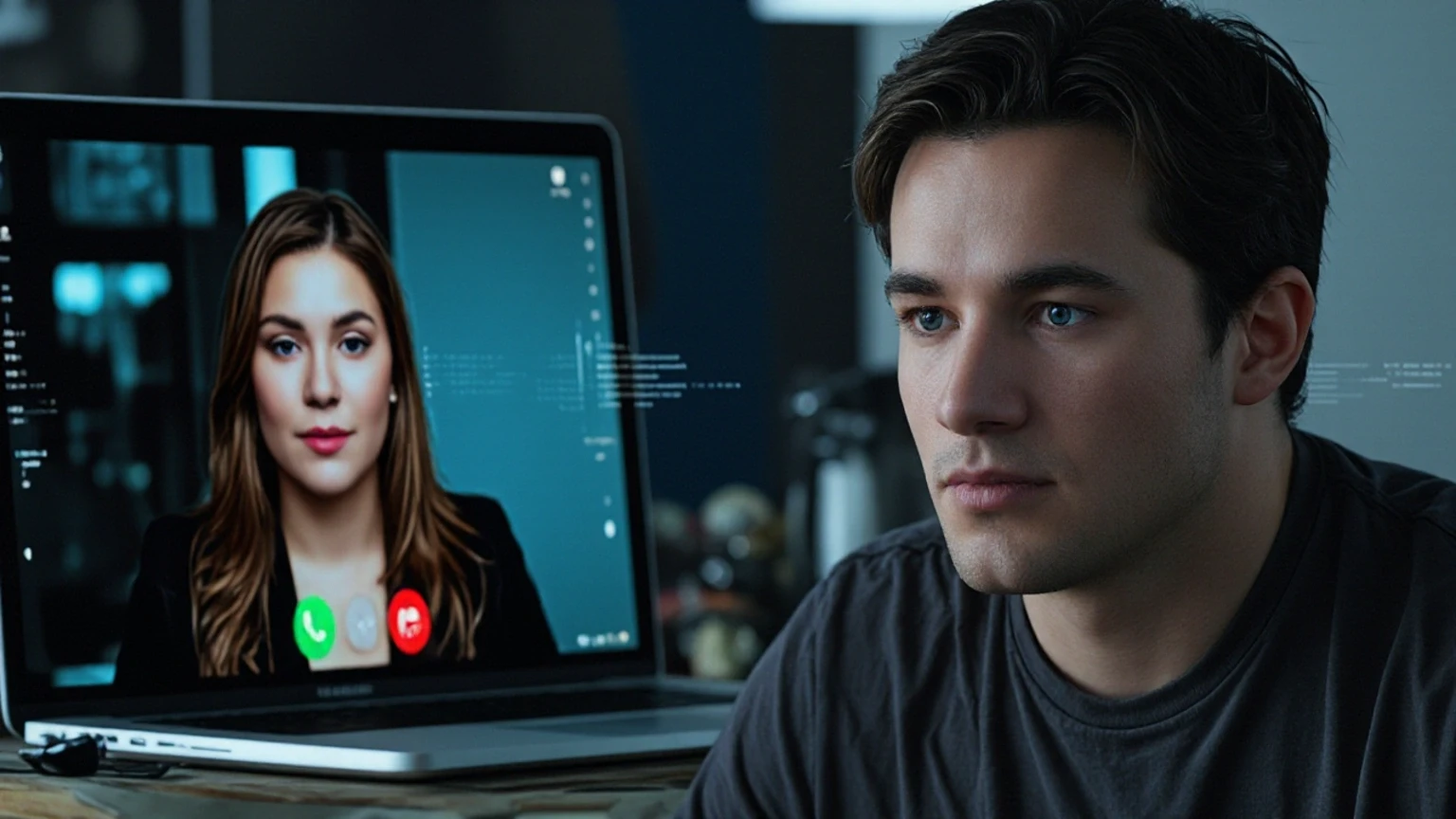
When a convincing image can be manufactured, trust must come from more than what we can see.
The Camera Used to Be a Witness
A photo or video can still document something real. But the mere existence of moving pixels and audible words is no longer enough to establish what happened, where it happened, or who was involved.
Synthetic media can fabricate a scene that never took place. Traditional editing can also remove context from a genuine recording. And even completely authentic footage can mislead if it is presented with the wrong date, location, or explanation.
Those are different problems requiring different checks. A detector might try to identify generated content; a journalist might verify where a clip originated; an investigator might compare the recording against independent evidence. No single check answers every question.
The new habit is to ask not only “Does this look real?” but “Where did it come from, and what else corroborates it?”
The Technology Can Also Be Used With Consent
It would be a mistake to treat every synthetic voice or image as a crime. Creative tools can help filmmakers dub dialogue, restore damaged audio, produce accessible narration, translate content, and build fantastical characters. For independent creators, these capabilities may widen access to storytelling.
The ethical boundary is not simply whether AI was involved. Consent, disclosure, context, and the risk of misleading an audience matter. A performer approving a digital double for a film is very different from a stranger cloning that performer to sell a fake endorsement.
The same technology can be empowering in one setting and exploitative in another. That is why the debate should be about accountability and control—not a blanket assumption that synthetic media is inherently deceptive.
Who Owns a Face, a Voice, or a Digital Double?
A person’s likeness has emotional, social, and sometimes commercial value. The law does not treat every use the same way, and protections vary by jurisdiction and context. Questions of consent, publicity rights, privacy, fraud, and free expression can overlap without neatly resolving into one worldwide rule.
On October 8, 2026, Reuters reported that Denmark was planning legislation to address realistic AI reproductions of people shared without their consent. In Italy, Prime Minister Giorgia Meloni applied for an EU trademark involving a recording of her voice—a notable attempt to use an existing legal mechanism against a newer kind of impersonation.
Neither development means one law or trademark filing can solve deepfakes. They reveal the underlying issue: identity is becoming easier to imitate than to defend.
Reuters on Denmark’s proposal · Reuters on Meloni’s voice application
Can We Build a Chain of Trust?
One response is to preserve information about where a digital file came from. The C2PA standard and Content Credentials are designed to let participating devices and software attach verifiable records about media origin and editing history. That could help viewers understand how a photograph or other asset was created.
But provenance is not a truth machine. C2PA itself cautions that verifying a credential does not prove a scene is truthful. Metadata can also be absent or lost as files pass through different systems. A file without credentials is not automatically fake.
NIST has examined approaches including provenance, watermarking, and synthetic-content detection. Each contributes something; none eliminates the need for independent verification. The long-term answer is likely a collection of technical signals, trustworthy reporting practices, and more careful habits.
C2PA’s explanation of provenance · NIST’s synthetic-content report

Rules Are Emerging, but Labels Are Only a Beginning
The European Union’s AI Act introduced transparency obligations for certain AI interactions and synthetic content, with relevant Article 50 rules applying from August 2, 2026. The intent is to help people recognize when AI is involved, including in certain deepfake situations.
Disclosure is valuable, especially when ordinary viewers cannot reasonably distinguish a synthetic scene by looking. But labels only help when they are present, understandable, and honestly used. Bad actors may ignore the rules, while genuine content may be reposted without context.
Good regulation can set expectations and offer remedies. The practical challenge is ensuring that verification works across borders, platforms, and the messy paths media takes through the internet.
What Ordinary People Can Do Right Now
We do not have to become digital-forensics experts to be harder to fool. The first defense is procedural rather than technical: verify important requests through a different, trusted channel. If a caller asks for money or account access, end the conversation and call the person back using a number you already know. If an executive appears to authorize a transfer, follow the organization’s established approval steps instead of relying on a voice note or video call alone.
When a startling clip appears online, look for the original upload, the date and location, reputable reporting, and independent corroboration. Treat AI-detection scores as clues rather than verdicts. And when creating synthetic media yourself, secure permission where needed and label realistic alterations clearly enough that audiences understand what they are seeing.
These are not guarantees. They are ways of slowing down a deception that depends on speed, familiarity, and emotional surprise.
The Greatest Risk Is Losing Trust in Everything
There is a second danger hiding behind the obvious one. Once people know that video and audio can be fabricated, real evidence can be dismissed with a shrug: “That could be AI.” A malicious fake can make us believe something untrue. Widespread suspicion can also make us refuse to believe something true.
That tension is why the future of authenticity cannot rest on spotting strange hands, listening for robotic voices, or relying on one detection tool. We need verifiable origins, independent evidence, sensible safeguards, and the willingness to check before we share or act.
The camera is not useless. The voice is not meaningless. But neither should be treated as an automatic guarantee of identity.
Seeing may no longer be believing. Verification is what comes next.
Editorial reporting reflects publicly available information as of October 10, 2026. Laws, technical protections, and AI capabilities continue to evolve. This article is educational and is not legal or security advice.
← Back to Articles