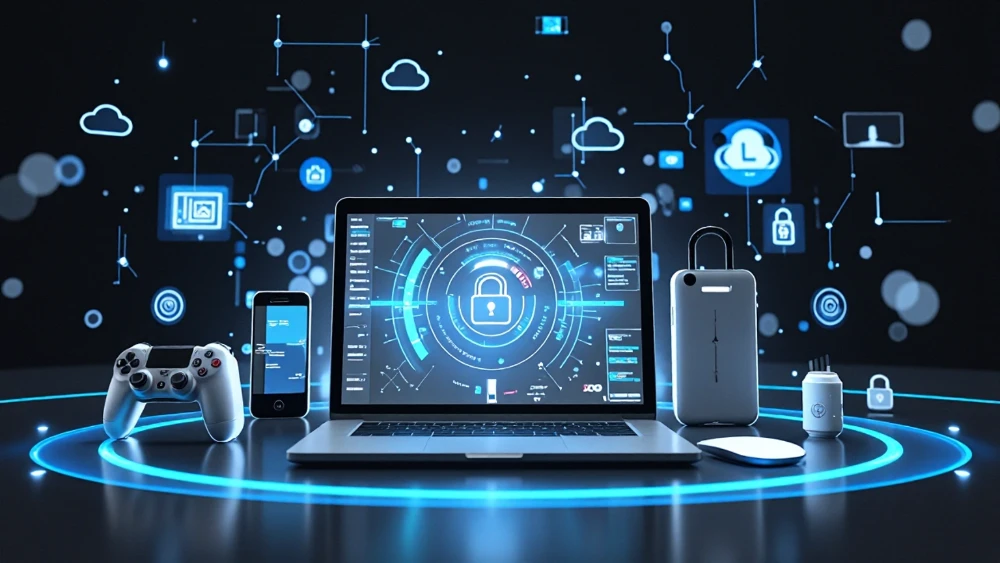
There was a time when buying something was simple. You bought a movie, it sat on your shelf. You bought a game, the cartridge or disc was yours. You bought software, installed it on your computer, and kept using it until you decided you were finished with it. Today, we still press buttons labeled Buy, Purchase, and Own. But increasingly, what we are actually purchasing is permission.
You Paid for It. So Why Can Someone Else Take It Away?
Physical ownership has always come with a simple expectation: once you buy something, the seller doesn't normally get to show up five years later and take it back.
Digital purchases don't always work that way.
A movie purchased through a digital storefront may still depend on licensing agreements between the platform and the company that owns the content. Games may depend on authentication servers. Software may require an active account. Smart devices may need cloud services operated by the manufacturer.
If one piece of that chain disappears, the thing you “bought” can change—or stop working entirely.
Sony gave consumers a particularly uncomfortable demonstration in 2023 when it announced that certain previously purchased Discovery video content was scheduled to be removed from PlayStation users' libraries because of licensing arrangements. Sony later announced that the removal would not occur after updated licensing arrangements were reached.
That reversal was good news. But the original announcement exposed something much bigger.
If a licensing agreement between two corporations can determine whether something you already paid for remains in your library, what exactly did you own?
When the Server Is Part of the Product
Modern technology has another weakness that physical products rarely had: the company can turn it off.
Online games are an obvious example. Ubisoft maintains a list of older games whose online services have been decommissioned, meaning features tied to those services no longer function. The company also announced in 2024 that XDefiant would shut down, stopping new downloads and registrations before the eventual service closure.
That is understandable from a business perspective. Servers cost money. Products eventually reach the end of their supported life.
But from the customer's perspective, it creates a strange new category of possession: a product that exists only for as long as somebody else chooses to keep the infrastructure alive.
We used to worry about breaking our things.
Now we also have to worry about the company losing interest in them.
You can own the machine. Someone else can still own the switch.
The Subscription Creep
Subscriptions themselves aren't inherently bad.
Some services make perfect sense as subscriptions. Cloud storage requires ongoing infrastructure. Streaming libraries constantly change and add content. Online services have continuing operating costs.
The problem is what happens when the subscription model escapes those categories and begins attaching itself to things that consumers traditionally expected to buy once.
Software was one of the first major battlegrounds. Instead of purchasing a program and deciding when to upgrade it, users increasingly subscribe to software and lose access when the payments stop.
Then the concept started moving deeper into connected products and services.
The uncomfortable question begins when a product contains functioning hardware that you physically possess—but software determines whether you're allowed to use all of it.
At that point, ownership starts getting blurry.
Your House Is Becoming a Collection of Accounts
Look around a modern home.
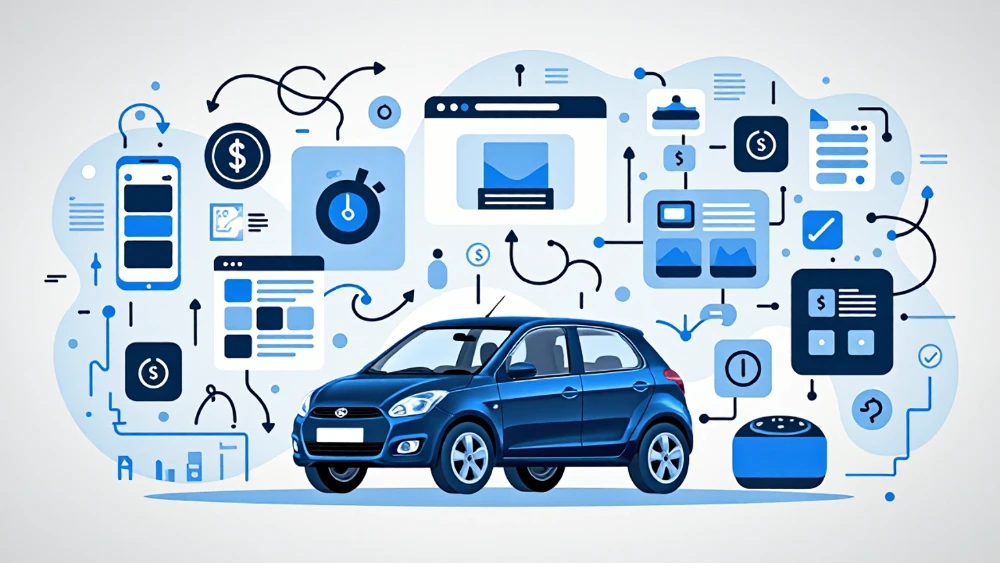
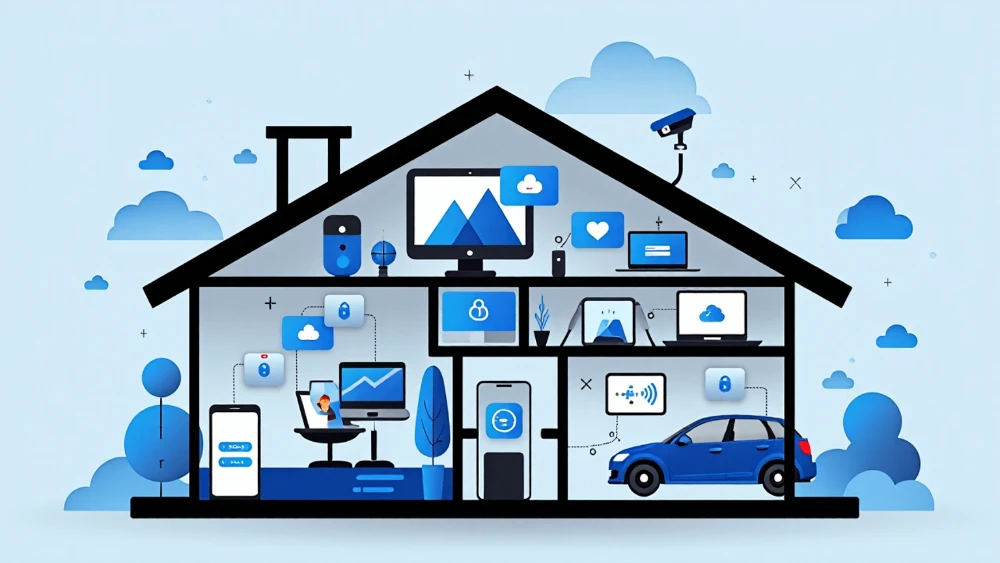
Televisions have accounts. Doorbells have accounts. Cameras have accounts. Speakers have accounts. Cars have accounts. Phones are attached to multiple accounts. Games require accounts. Software requires accounts.
Even appliances increasingly connect to apps, servers, subscriptions, and online ecosystems.
That means losing access to an account can sometimes feel remarkably similar to losing access to the product itself.
The physical object may still be sitting directly in front of you. It simply no longer does everything it did yesterday.
That would have sounded absurd twenty years ago.
Imagine buying a DVD player in 2004 and discovering one morning that the manufacturer had remotely disabled one of its features because your account status changed.
People would have lost their minds.
Today?
We call it an update.
“Buy” Doesn't Always Mean Buy
Part of the problem is language.
Digital storefronts frequently use familiar words from physical commerce because consumers understand them instantly.
Buy. Purchase. Library.
Those words naturally create an expectation of permanence.
But digital transactions can operate more like licenses than traditional ownership of a physical copy. The exact rights depend on the platform, product, contract, and jurisdiction.
Most consumers aren't thinking about that distinction while clicking a button.
They're thinking: I paid $19.99. This is mine now.
And that's where the modern definition of ownership begins colliding with the traditional one.
Because most people don't define ownership as: “I can use this indefinitely, assuming the publisher maintains the service, my account remains active, the licensing agreements don't change, the authentication system continues working, and the company doesn't revise the product.”
That's not ownership in the way most people understand ownership.
That's conditional access.
The Digital Landlord Problem
That is why digital eviction feels like the right phrase.
We are increasingly occupying digital spaces we don't control.
Our movies live inside somebody else's storefront. Our photos may live on somebody else's cloud. Our software checks somebody else's servers. Our games authenticate through somebody else's network. Our smart devices communicate with somebody else's infrastructure.
We decorate the apartment. But the landlord still has the keys.
And unlike an actual apartment, moving out isn't always easy.
Years of purchases, saved data, playlists, game progress, photographs, documents, and habits can lock a person into an ecosystem long after they would otherwise leave.
The more we place inside these ecosystems, the more expensive leaving becomes—even when the price isn't measured in dollars.
Why Offline Suddenly Matters Again
Ironically, the future of technology may make some very old-fashioned ideas valuable again.
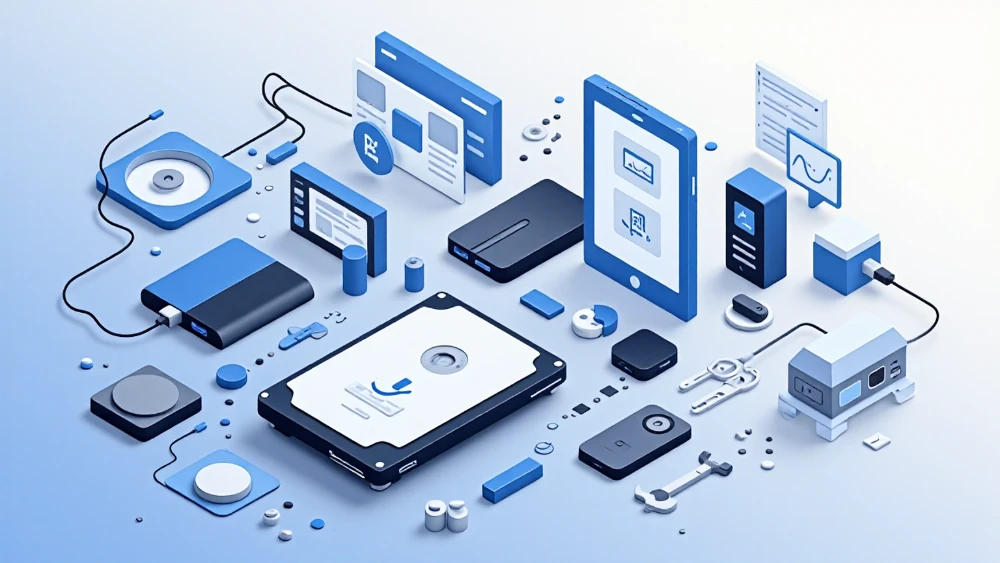
Local storage. Downloaded copies. Offline functionality. Physical media. Open file formats. Software that doesn't require permanent authentication. Devices that retain basic functionality without cloud services. Right-to-repair and interoperability.
None of these things are anti-technology.
They're actually about making technology more resilient.
Cloud services are convenient. Streaming is convenient. Subscriptions can be convenient.
But convenience and control are not the same thing.
The safest system is often one where losing access to a corporation does not mean losing access to your own stuff.
Ownership Should Mean Something
Technology companies aren't villains simply because services eventually shut down or licensing agreements change. Maintaining old infrastructure forever isn't realistic, and digital distribution has given consumers conveniences that physical media never could.
The issue is transparency.
If we're renting something, call it a rental.
If we're purchasing temporary access, call it access.
If a product requires servers that may eventually disappear, tell customers clearly.
And if a button says BUY, consumers shouldn't need a law degree and thirty pages of terms to understand whether the thing they just bought can someday vanish.
Because the question underneath all of this is remarkably simple:
If you paid for it, possess it, and use it—but someone else can remotely disable, remove, or fundamentally change it—do you actually own it?
Technology has spent decades making everything smarter, faster, smaller, and more connected.
Maybe the next innovation we need is much simpler.
Let people keep what they buy.
Digital licensing, service availability, subscription terms, and device features vary by product, platform, region, and agreement. Examples in this article illustrate the broader shift from permanent ownership toward conditional digital access.
← Back to Articles