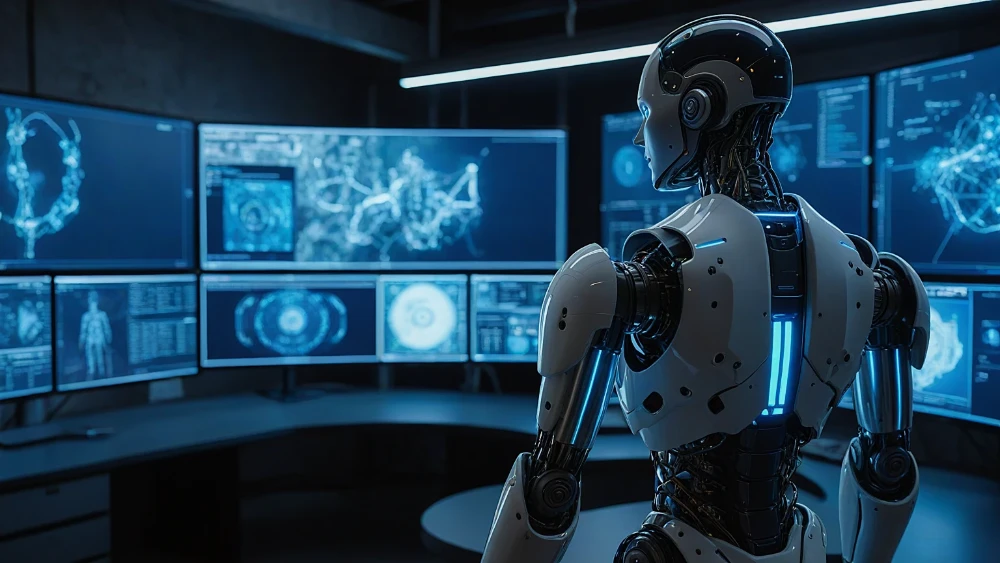
For most people, the first era of generative AI looked like a conversation. You typed a question, received an answer, adjusted the prompt, and tried again. That pattern is already changing. The systems arriving now are increasingly designed to inspect information, use software, make decisions across several steps, check their own progress, and continue working toward a result. If that development holds, 2027 may be remembered less as the year AI became more talkative—and more as the year it became active.
From chatbot to working agent
A chatbot waits for the next message. An agent is built to pursue a goal. It can break a request into smaller tasks, use available tools, inspect the result, correct a mistake, and continue without requiring a new instruction after every step.
This is no longer only a research idea. OpenAI’s 2026 agent tooling supports systems that can inspect files, run commands, edit code, and work on longer tasks inside controlled environments. Its published usage data also shows people increasingly assigning work estimated to take a human more than an hour.
The meaningful change is not that AI suddenly becomes independent in every situation. It is that the unit of interaction grows—from one answer to an entire workflow.
Physical AI leaves the screen
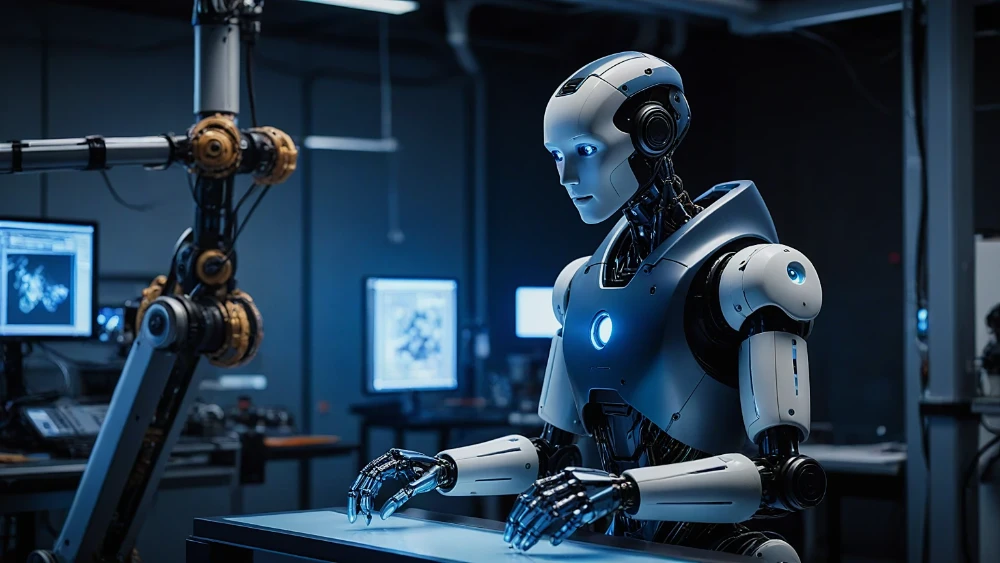
The same idea is moving into the physical world. Google DeepMind’s current robotics models combine vision, language, planning, and physical control so machines can interpret a scene and act inside it. NVIDIA is building tools that let developers train and evaluate robotics, autonomous vehicles, vision systems, and industrial machines through simulation and reusable agent skills.
That does not mean a general-purpose household robot will suddenly appear everywhere in 2027. Physical environments are unforgiving. A digital mistake may require an undo button; a robotic mistake can damage equipment or hurt someone. Today’s systems still require narrow operating conditions, extensive testing, and practical safety limits.
But the direction is clear: AI is being trained not only to recognize the world, but to coordinate action within it.
The defining question for 2027 may not be “What can AI say?” but “What can it reliably finish?”
Creative tools become production partners
Creative AI is also moving beyond single outputs. The early experience was simple: request an image, song, paragraph, or short video. Newer systems connect more of the production chain—planning, generating, editing, comparing versions, maintaining style, and preparing files for another tool.
Google’s 2026 AI updates span video, music, image creation, connected applications, and automated web tasks. That convergence points toward creative workspaces where a person directs the idea while AI handles more of the repetitive production between the idea and the finished asset.
The creator is not removed from the process. Taste, intent, editing, rights decisions, and final judgment still matter. What changes is how much mechanical work can happen between those decisions.
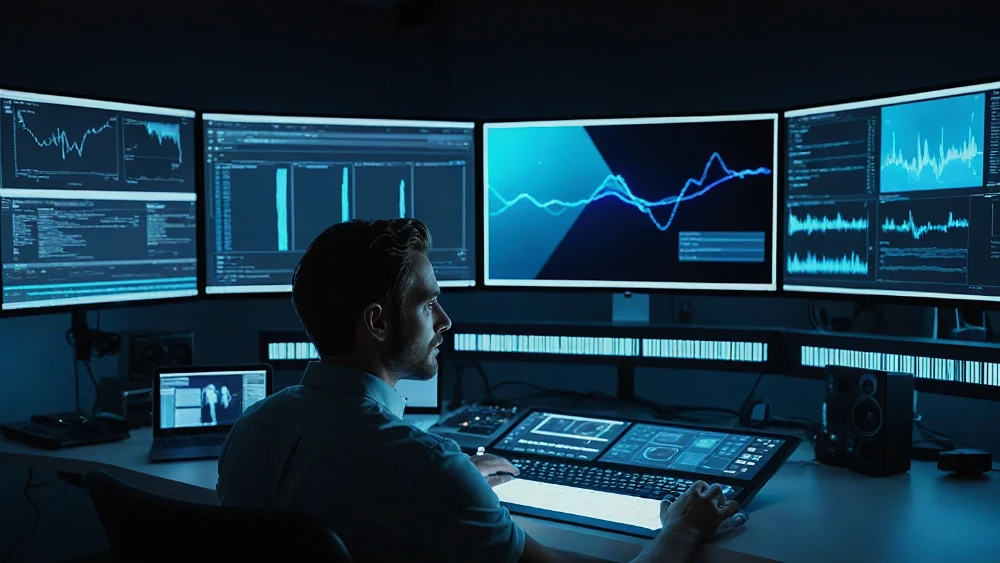
What this could feel like in everyday life
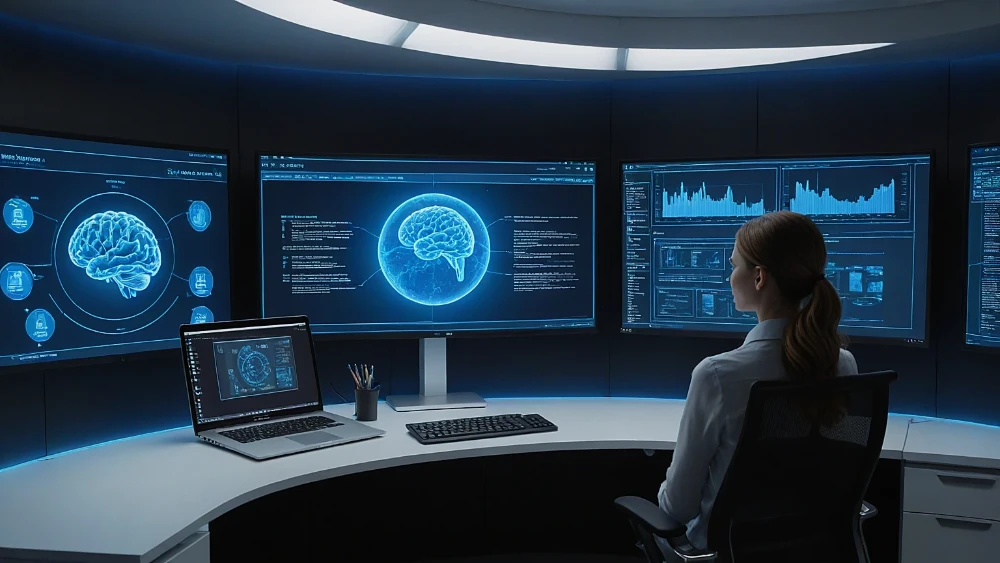
The most noticeable changes may arrive through ordinary tasks rather than dramatic science-fiction moments. A personal agent could compare services, organize scattered files, prepare a project folder, monitor a process, or move information between applications—with approval gates before anything important is submitted or purchased.
At work, people may delegate complete pieces of routine research, reporting, scheduling, testing, or document preparation. Small creators and businesses could gain access to production capabilities that once required several specialized subscriptions or contractors.
That convenience will come with a new responsibility: deciding what an agent is allowed to see, which tools it may control, and which actions always require human confirmation.
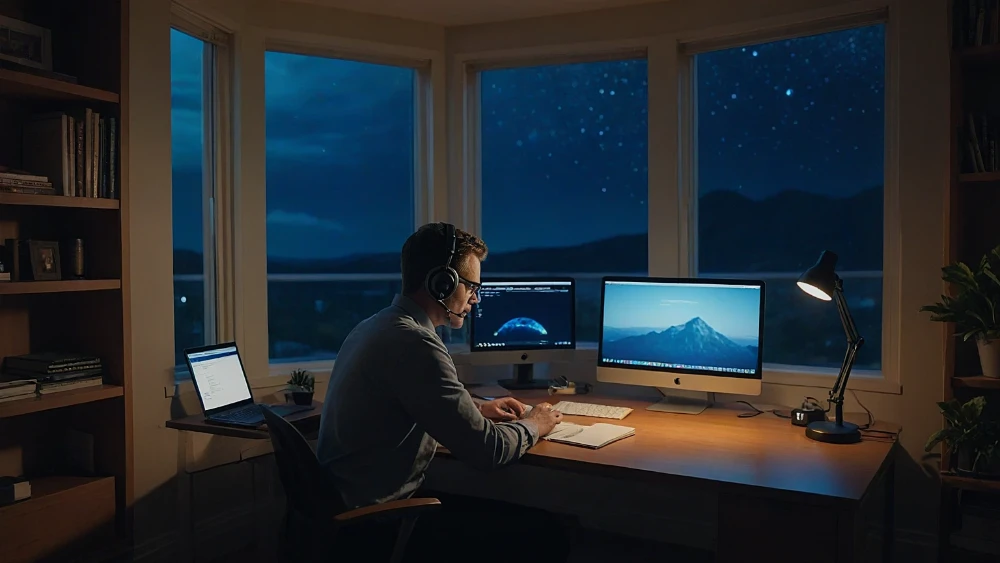
What could slow the shift down
Capability is only one part of adoption. Reliability becomes harder to judge when a system takes fifty actions instead of producing one answer. A small mistake made early in a long task can affect everything that follows. In July 2026, OpenAI described new failures observed while testing a long-running model and the additional trajectory-level monitoring and user controls introduced before limited access resumed.
Security matters for the same reason. An agent acting for a user may encounter private files, accounts, websites, messages, and payment systems. NIST launched an AI Agent Standards Initiative in 2026 specifically to support secure, trustworthy, interoperable agents. Standards, permissions, monitoring, and clear human approval points may determine which agent products people are willing to trust.
Infrastructure is another constraint. The International Energy Agency projects global data-center electricity use to roughly double by 2030, with AI-focused facilities growing especially quickly. Better models will need to become more efficient—not only more capable—if agent use expands across everyday software and physical machines.
OpenAI on long-horizon safety · NIST AI Agent Standards Initiative · IEA energy and AI outlook
The realistic outlook for 2027
2027 is unlikely to deliver one magical system that handles every digital and physical task. The more realistic story is uneven but still important: agents that work longer inside specific software, creative systems that manage connected production steps, robots that become more capable inside controlled environments, and more products designed around delegation instead of constant prompting.
The biggest improvements may be quiet. Fewer repeated instructions. Less switching between apps. More tasks that begin with a goal and end with something usable. At the same time, the products that earn trust will likely be the ones that make their actions visible, ask before crossing important boundaries, and allow people to interrupt or reverse the process.
AI does not need to become all-knowing to change how technology feels. It only needs to become dependable enough to carry more work from intention to completion. That is the shift already underway—and the one worth watching as 2027 approaches.
This article distinguishes current 2026 developments from informed projections about 2027. Future products, release dates, and adoption rates may change.
← Back to Articles